The Cham Islands: a marine reserve offshore
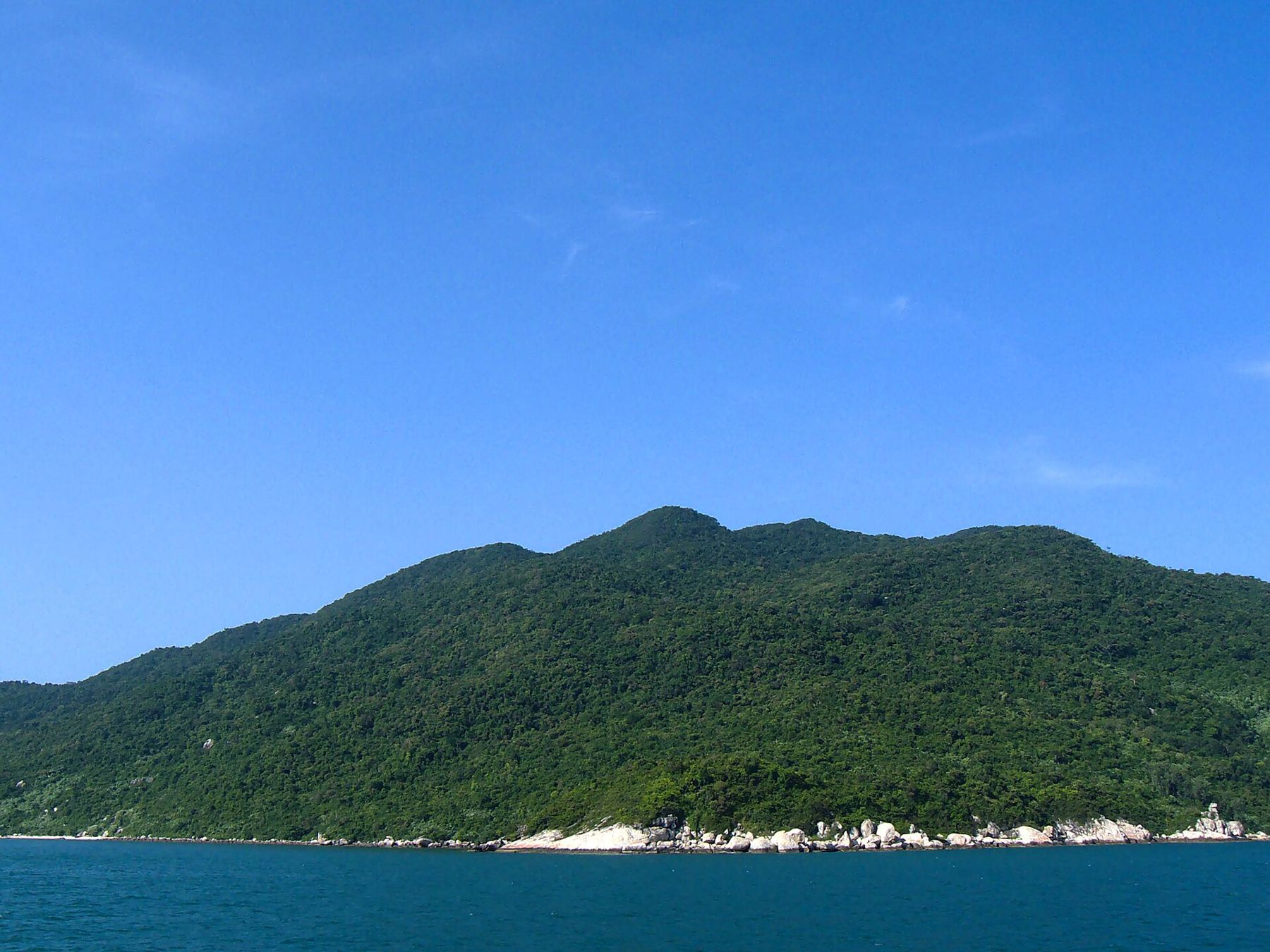
On a clear day you can see them from every beach near Hoi An: a chain of green islands on the horizon, protected for their reefs and forest, reached by a boat from the river mouth.
i
Kok Leng Yeo · CC BY 2.0- From the old town
- About 20 km by sea
- The water
- Varies by season
- Best months
- March to August
- Getting there
- Boat from the Cua Dai area
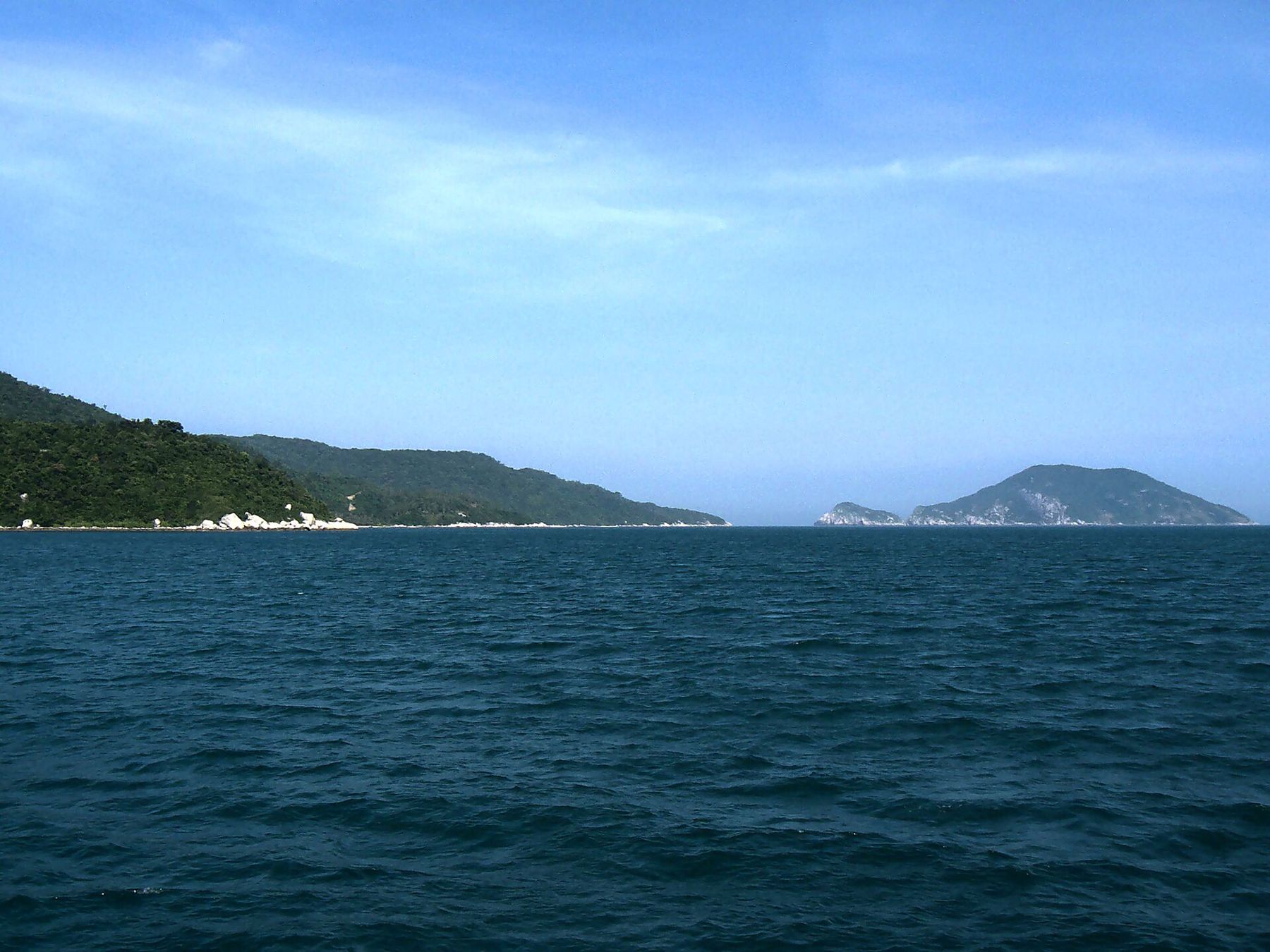
Look out to sea from An Bang or Cua Dai and, on a clear day, a chain of green islands floats on the horizon. These are the Cham Islands, Cu Lao Cham in Vietnamese, a group of small, forested islands about 15 to 20 km off the coast. The islands and the waters around them are a marine protected area and part of a UNESCO biosphere reserve, recognised for their coral reefs, seagrass beds and forest. For visitors to the Hoi An shore, they are the obvious day out on the water.
Protected waters
The Cham Islands marine protected area was set up to protect the reefs and the fish that depend on them, after years of overfishing and damage. Fishing is restricted in parts of the area, and the island community has been involved in managing it. The islands have also been notable for efforts to reduce plastic, with restrictions on single-use plastic bags. Visitors are asked to follow the rules: do not touch or stand on coral, do not take shells or animals, and take your rubbish back to the mainland.
i
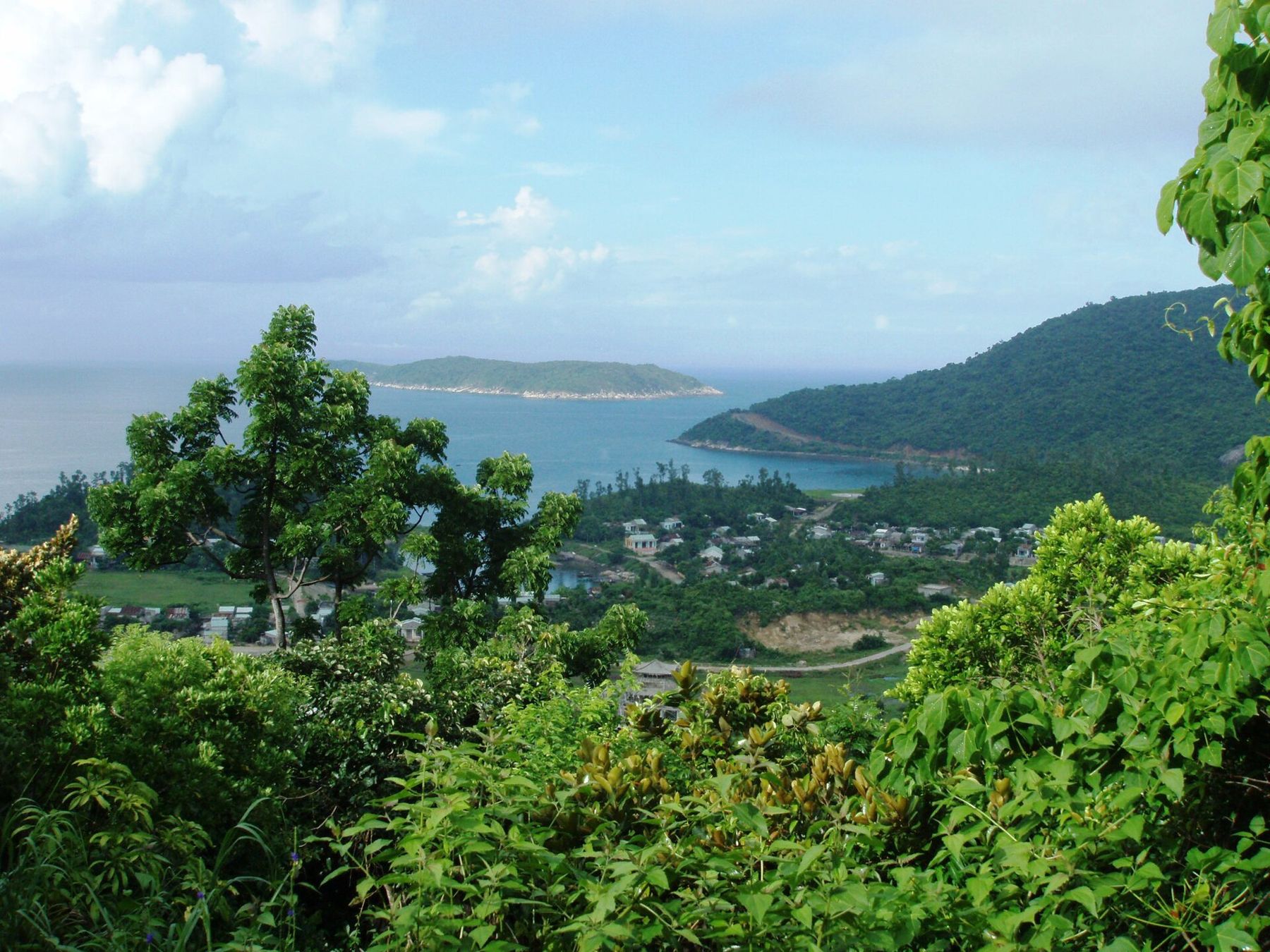
Original uploaded by Lê Thy (Transfered by Phó Nháy ) · Public domainThe islands hold a small population, living mainly in a fishing village on the largest island, Hon Lao, with its harbour, temples, a small museum and a market.
The boat across
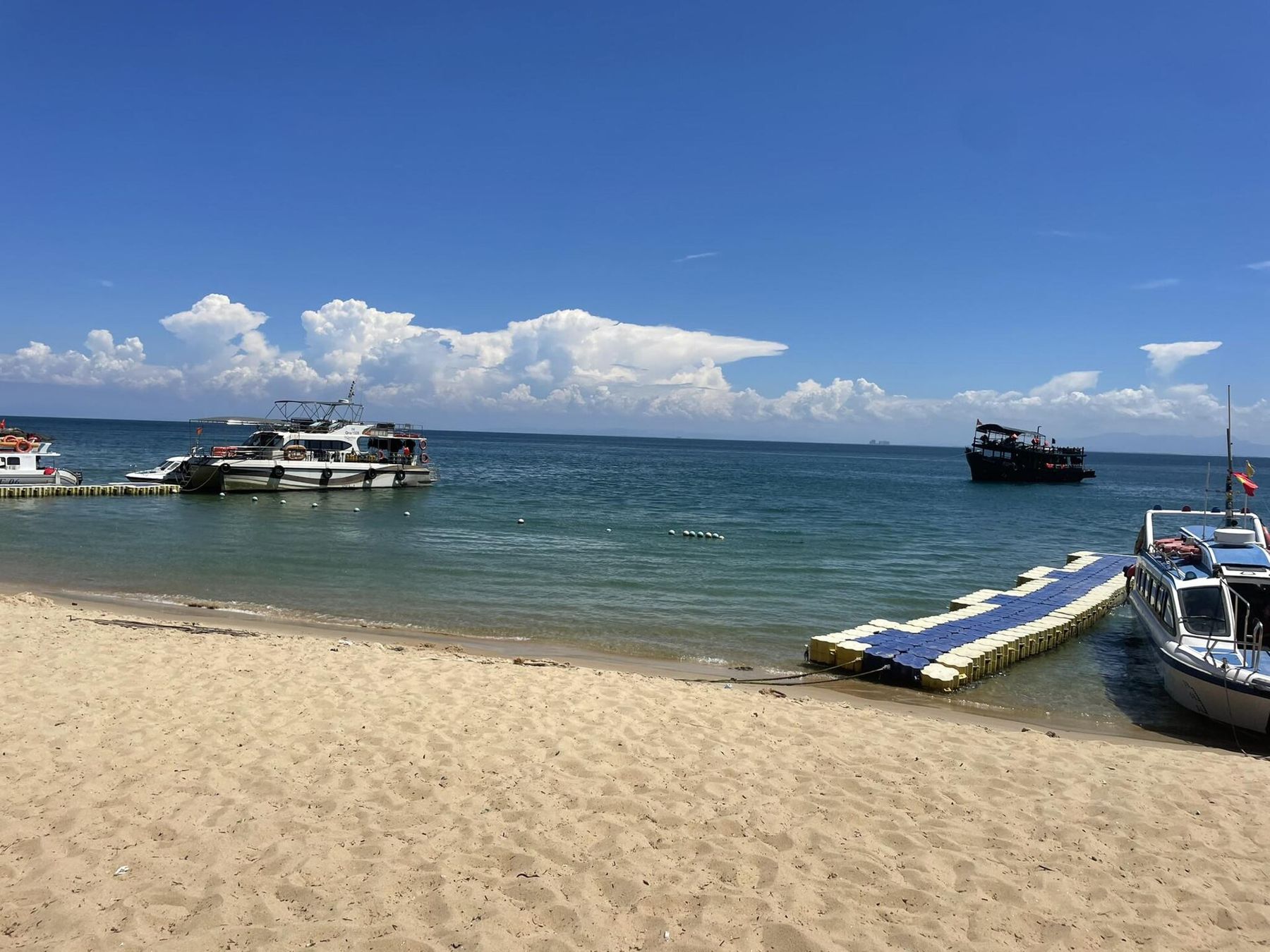
Boats to the Cham Islands leave from the Cua Dai area, at the mouth of the Thu Bon river. Speedboats make the crossing in under an hour; slower boats take longer. Most visitors join a day trip organised by local operators in general terms, which typically includes the crossing, snorkelling at one or two sites, a visit to the village and lunch on a beach. It is also possible to stay overnight on the islands in simple places, in general terms, which allows a quieter visit after the day boats leave.
The crossing can be rough even in the calm season, especially in the afternoon when the wind rises. If you are prone to seasickness, take precautions, and sit near the back of the boat.
Snorkelling and diving
The waters around the Cham Islands are clearer than those along the mainland coast, and the reefs hold hard and soft corals, reef fish, and other marine life. Snorkelling is the main activity on day trips, usually in sheltered coves. The coral is not as extensive or as colourful as on the best reefs in South-East Asia, and parts have been damaged, but the protected status has helped recovery, and there is plenty to see.
Diving is also available through dive centres, in general terms, with sites around the islands. Check qualifications and safety standards before booking, and dive only in suitable conditions.
For visitors to the Hoi An shore, they are the obvious day out on the water.
The beaches
The islands have small beaches in sheltered coves, with pale sand and clear water. On day trips, lunch is often served at one of these. They can be crowded when several boats arrive at once, but quiet in the early morning or late afternoon, especially for those staying overnight.
i
yeowatzup · CC BY 2.0Snorkelling here is best in the morning, before the wind rises and before the bigger groups arrive. If you are not a confident swimmer, wear a life jacket or a buoyancy aid, and stay close to the boat or the shore. The coral and rocks are sharp, so keep your fins and hands off them. Underwater visibility varies with the weather and the season; after storms, the water can be cloudy for days.
For a first visit, a day trip is enough to see the reefs, the village and a beach. Those who stay longer find a slower, quieter side of the islands, with early swims before the boats arrive and evenings watching the fishing fleet head out. Either way, check the weather the evening before, and be ready for the boat to be cancelled if the wind rises.
i
Theguywithkpdomain · CC0Pack light for the day: reef-safe sunscreen, a hat, drinking water in a refillable bottle and a dry bag for your phone. Plastic bags are discouraged on the islands, and visitors are asked to take their rubbish back to the mainland. Mobile signal is patchy away from the main village, so agree a meeting point and time with your group before you split up.
When to go
The boats run reliably only in the calm season, roughly from spring to late summer. From about September into the early winter, rough seas and storms often cancel crossings, sometimes for days, and the islands may be closed to visitors. Even in the calm months, crossings are cancelled when the wind is strong. Check before you go, and keep your plans flexible. The seasons are explained in calm water and rough water.
The islands have a long history. They lay on the sea routes of the old trading port of Hoi An, and ships stopped here for water and shelter. Archaeological finds suggest people have lived on the islands for thousands of years. In the village, small temples honour the gods of the sea and the swiftlets whose nests, gathered from the island cliffs, were once a valuable trade.
The island village is worth an hour or two. Walk its main street, visit the small museum about the marine protected area, look at the temples, and watch the fishing boats in the harbour. Life here is slower than on the mainland, and in the late afternoon, when the day boats have gone, the village returns to its own rhythm.
The forest on the islands' hills is also protected. Paths lead into it in places, though much of it is steep and rarely visited. Monkeys live on some of the islands, and the forest echoes with birdsong.
Staying overnight lets you see the islands at their quietest: a swim in the evening cove after the boats leave, a walk through the village at dusk, and the sunrise over the open sea the next morning. Facilities are simple, and electricity and water may be limited; bring what you need and treat the islands' resources with care.
Respecting the islands
- Use reef-safe sunscreen, and as little as possible before snorkelling.
- Do not touch or stand on coral, and do not feed fish.
- Bring no single-use plastic, and take all rubbish back.
- Dress modestly in the village and at temples.
- Wear a life jacket on boats and when snorkelling if you are not a strong swimmer.
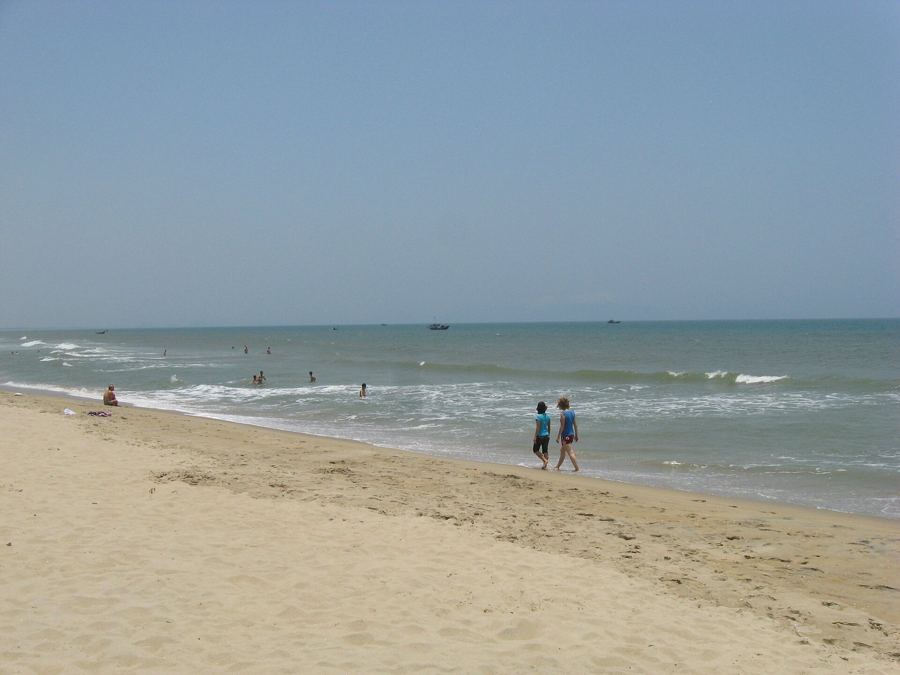
Back on the mainland, the islands are the backdrop to every beach between Cua Dai and Da Nang. Watching them turn pink at sunset from An Bang is a fine way to end the day after a trip out.