Calm water and rough water: the coast's two seasons
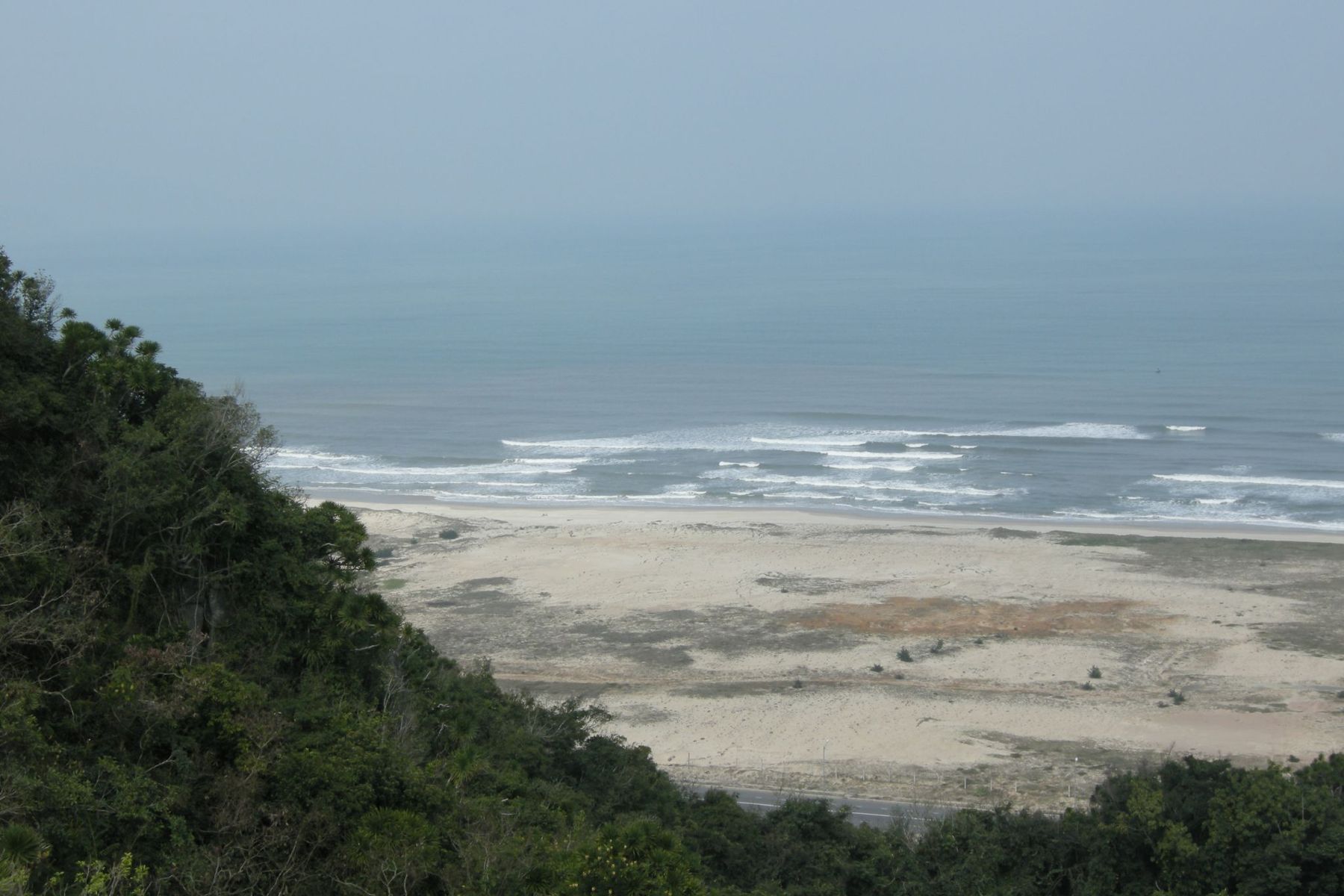
The same beach can be a millpond in June and a wall of surf in November. Knowing the two halves of the coast's year decides how a stay by the sand will go.
i
Vyacheslav Argenberg · CC BY 2.0- From the old town
- Every beach on this site
- The water
- Varies by season
- Best months
- March to August for calm
- Getting there
- Any beach from Lang Co to Hoi An
The coast of central Vietnam, from Lang Co south past Da Nang to Hoi An and beyond, has a climate unlike the north or the south of the country. Instead of a single long rainy season in summer, it has its heavy rain in the autumn and early winter, brought by the north-east monsoon and by the storms and typhoons that come in from the sea. That pattern shapes everything about the beaches.
This guide uses no monthly tables: the weather varies from year to year, and the boundaries between seasons are not sharp. What follows is the shape of the year in words, and what it means for the sand and the sea.
When the sea lies down
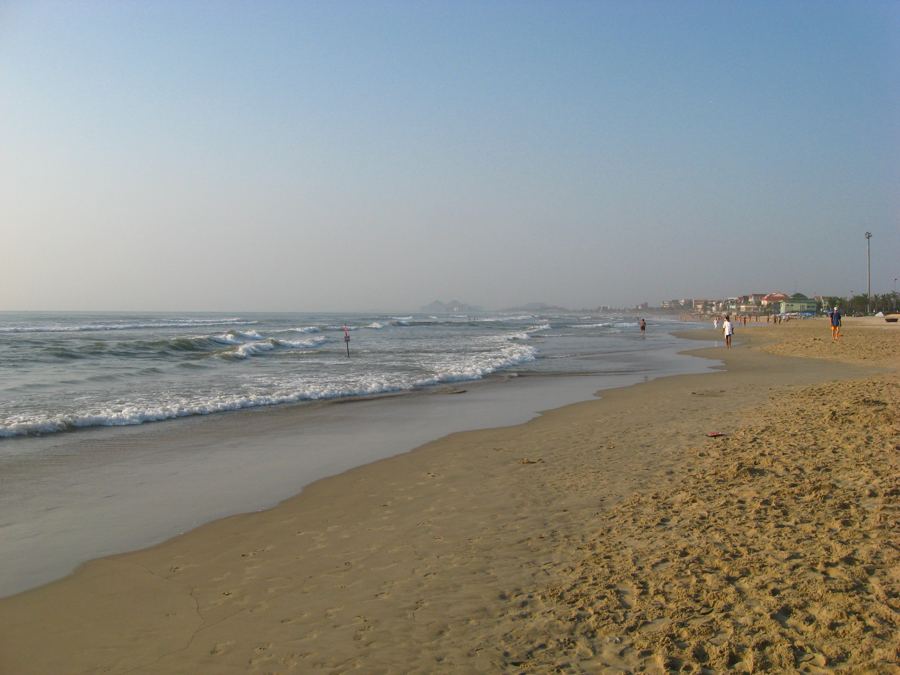
From roughly spring to late summer, the sea along this coast is usually at its calmest. Mornings in particular are often flat and clear, with gentle waves and warm water. This is the season most beach visitors come for. Boats to the Cham Islands run more reliably, the beaches are at their widest, and swimming is easiest.
It is also the hottest part of the year, and the sun at midday is fierce. Shade matters more than a sea view, and the best hours on the beach are early and late. In the height of summer, domestic holidays bring crowds to the city beaches, especially at weekends.
When it stands up
From about September into the early winter, the coast's character changes. The north-east monsoon brings wind and rain, and big swells roll in from the open sea. Red flags fly on many days, and swimming becomes dangerous. Storms and typhoons can strike the coast in the autumn, bringing torrential rain, flooding in low-lying areas such as Hoi An's old town and the delta, and closing beaches for days.
Boats to the Cham Islands are often cancelled, and the islands may be closed to visitors. Mountain roads, including the Hai Van Pass, can be affected by landslides. Some beach businesses close or reduce their services.
Between the two
The months at the edges of the seasons, early spring and the end of summer, can be the most pleasant of all, with warm water, fewer crowds and comfortable temperatures. They can also be changeable, with occasional rough days. Late winter and early spring, from about January to March, are often cool and grey, with drizzle and mixed seas: pleasant for walking the beaches, less reliable for swimming.
What changes on each beach
- Lang Co can be very wet in the rainy season, with mountains close behind.
- Son Tra's eastern coves take the full force of the swell; the bay side is more sheltered.
- My Khe and Non Nuoc face the open sea and can close to swimmers in rough weather.
- An Bang, Ha My and Cua Dai narrow in storms, and erosion is most visible after the rough season.
- The Cham Islands are often unreachable in the rough months.
Each beach page describes its own seasonal character, from My Khe to Cua Dai.
The water temperature follows the seasons too. In the summer, the sea is warm, often warmer than the air in the early morning. In late winter and early spring, it cools noticeably, and the onshore wind can make swimming feel cold even on sunny days. Many local people swim year-round in the early mornings, but they know the sea and its moods; visitors should take their cue from the lifeguards.
The rough season also has its own rewards. Empty beaches, dramatic skies, big surf to watch from the shore and the drama of storms rolling in over the sea make walking the sand memorable. Surfers find waves at some beaches in these months, though conditions can be dangerous. And the old town, the markets and the countryside are at their quietest.
The sea is not the only thing that changes. In the calm months, the sky is often clear and the heat builds through the day; in the rough months, cloud and rain can sit over the coast for days, and the temperature drops. Hoi An's old town floods in some years when heavy rain in the mountains swells the Thu Bon river. Mosquitoes are more active in the wet months. Pack for the season you are coming in, not the one in the photographs.
For swimmers, the simplest rule is to plan around mornings: across both seasons, the sea is usually at its calmest early in the day, before the wind rises.
Shoulder months reward flexibility. A week in late March or early September can bring a mix of calm mornings and choppier afternoons, so plan sea trips early in the day and keep a free day in hand in case a boat crossing is cancelled because of the wind.
Planning around the weather
If your heart is set on swimming, plan for the calm half of the year. If you are coming in the rough months, choose a base close to something to do on a stormy day: the old town of Hoi An, the city of Da Nang, the Marble Mountains, or the cafes and markets. Keep plans flexible, and follow official weather warnings, particularly typhoon alerts, which are taken seriously by local authorities.
Whatever the month, ask lifeguards and local people about the day's conditions before swimming. The sea can change from one morning to the next.