Swimming safely on an open coast
Most of this coast faces the open sea. The water that looks so inviting can hide strong currents, and a few simple habits keep a beach day from going wrong.
i
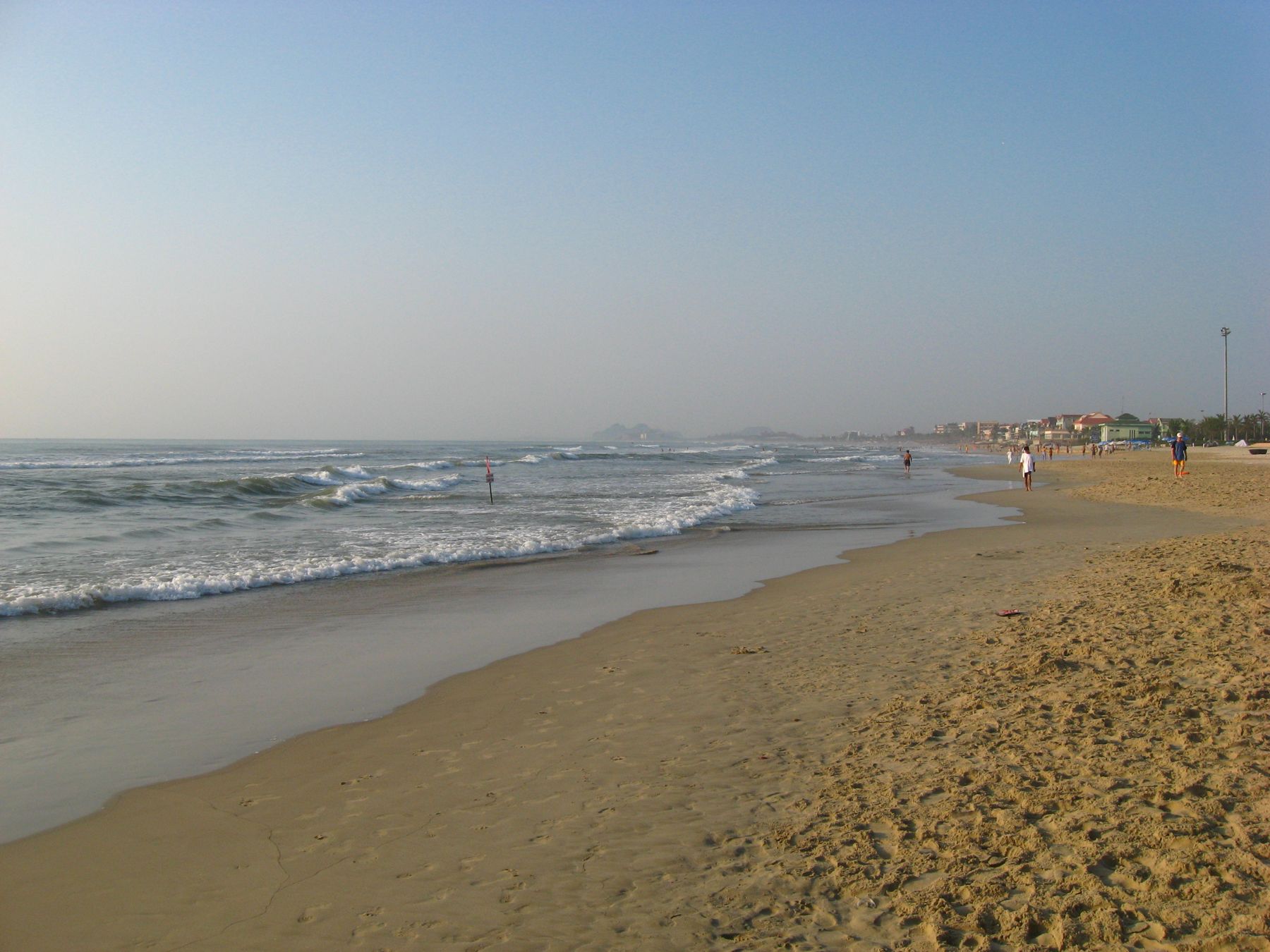
Dragfyre · CC BY-SA 3.0- From the old town
- Every beach on this site
- The water
- Varies by season
- Best months
- March to August
- Getting there
- Beaches with lifeguard posts
The beaches from Lang Co to Hoi An face the open South China Sea. On calm summer mornings the water can be as gentle as a lake. On other days, even when the sun is shining, waves and currents can be strong enough to pull a good swimmer away from the shore. Drownings happen on this coast every year, often among visitors who did not know the signs.
None of this should put anyone off swimming. It means swimming wisely.
Swim where the lifeguards are
The busier stretches of the city beaches and some village beaches have lifeguard posts, with flags marking safe swimming zones in season. Swim between the flags where they are set, follow the lifeguards' whistles and instructions, and never swim when red flags are flying. On beaches without lifeguards, take extra care and swim only in calm conditions, close to shore.
Understanding rip currents
A rip current is a narrow, fast-moving channel of water flowing away from the shore. Rips form where waves push water onto the beach and it rushes back out through a gap. They can appear on calm-looking days and move along a beach.
- Signs: a gap in the breaking waves, darker or choppier water, foam or debris moving out to sea.
- If caught: do not swim against it. Stay calm, float, raise an arm for help, and swim parallel to the shore until you are out of the current, then swim back in.
- If someone else is caught: alert a lifeguard; do not go in after them unless trained and equipped.
Seasons and the sea
From roughly spring to late summer, the sea is usually calmer, especially in the mornings. From about September into the early winter, big swells and strong currents are common, and swimming is often unsafe. The seasons are described in calm water and rough water.
Jellyfish, sun and other hazards
At certain times of year, jellyfish appear in the water along this coast; some stings are painful. Ask lifeguards or local people, and if stung, leave the water and seek help. The tropical sun is intense: wear sunscreen, a hat and a shirt, avoid the midday hours, and drink plenty of water.
It helps to learn a few words in Vietnamese, or to recognise the signs the lifeguards use. Flags are the universal language: red means no swimming, and yellow means take care. Whistles mean come closer to shore or move into the safe zone. Lifeguards here are trained and know their stretch of sea; their advice is worth more than any guidebook.
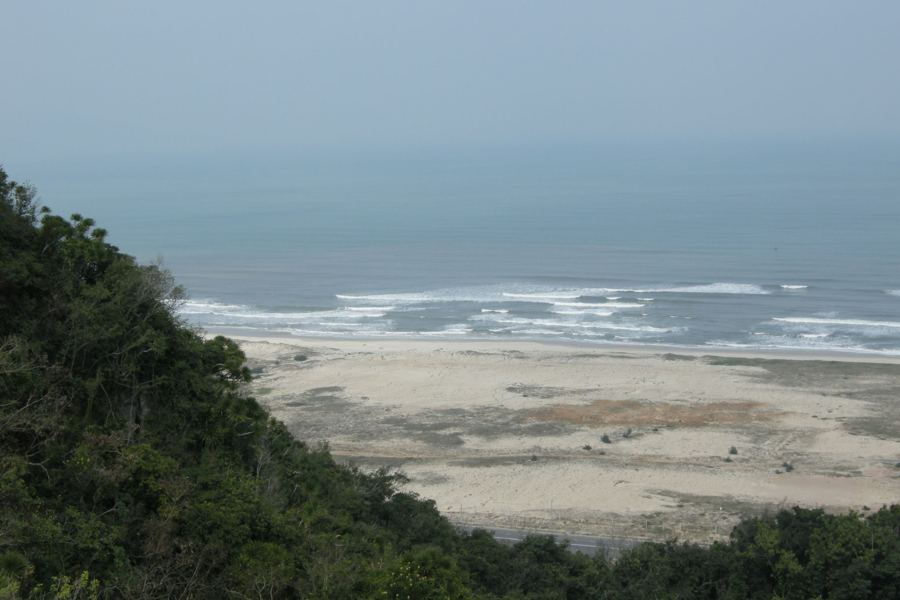
A simple routine keeps a beach day safe. Look at the water for a few minutes before going in, check the flags, and note where the lifeguards are. Go in where others are swimming, stay within your depth, and come out before you are tired. Keep an eye on the people you are with, and agree a meeting point on the sand in case you are separated.
Children need extra care. Keep them within arm's reach in the shallows, even where the water looks flat, because a single larger wave can knock a small child over and pull them back with the backwash. Bright swimwear makes them easier to spot among the crowds. Teach older children the basics of rip currents before you reach the beach: stay calm, float, and swim sideways. Inflatable rings and floating mattresses are a hazard in an offshore breeze, which can carry them out to sea faster than anyone can swim. If someone gets into trouble, alert a lifeguard at once rather than going in after them yourself.
Children and the water
Keep young children within arm's reach in the water at all times. Waves can knock a child over in shallow water, and currents can carry them quickly. Bright swimwear makes children easier to spot.
Sea creatures and stings
Besides jellyfish, the sandy beaches of this coast have few dangerous animals. Around rocks and reefs, as at Son Tra or the Cham Islands, watch out for sea urchins and sharp coral; reef shoes or sandals help. Do not touch marine animals, and leave shells where they are. If you are stung or cut and the wound is painful or swells, seek medical help.
Lifeguard services on this coast have grown with tourism, and the larger beaches have posts staffed during the day in the main season. Outside those hours and seasons, no one may be watching. Early morning swimmers often go in before the lifeguards arrive: if you join them, stay close to shore and close to others.
Know where you are. Note the name of the beach and the nearest lifeguard post number or landmark, so you can direct help quickly if needed. Keep a phone with you on the sand, and save the local emergency numbers.
Finally, remember that the sea and the sun together are tiring. Take breaks in the shade, drink water, and do not stay in too long in the heat of the day. Most beach accidents happen when people are tired, hot or over-confident.
When not to go in
- When red flags are flying or lifeguards say no.
- After drinking alcohol.
- Alone, on an empty beach, especially at dawn or dusk.
- Near river mouths, rocks, piers and fishing boats.
- When storms or typhoon warnings are in force.
Each beach page on this site notes its own conditions, from My Khe to An Bang.